

By Josh Friesen
Hospital emergency departments are changing.
Historically, emergency departments (EDs) have handled mostly immediate acute care needs like severe injuries, heart attacks, strokes and infections. Today, emergency medicine has grown into a multidisciplinary specialty, and EDs across the United States are seeing more patients with more complex care needs than ever before.
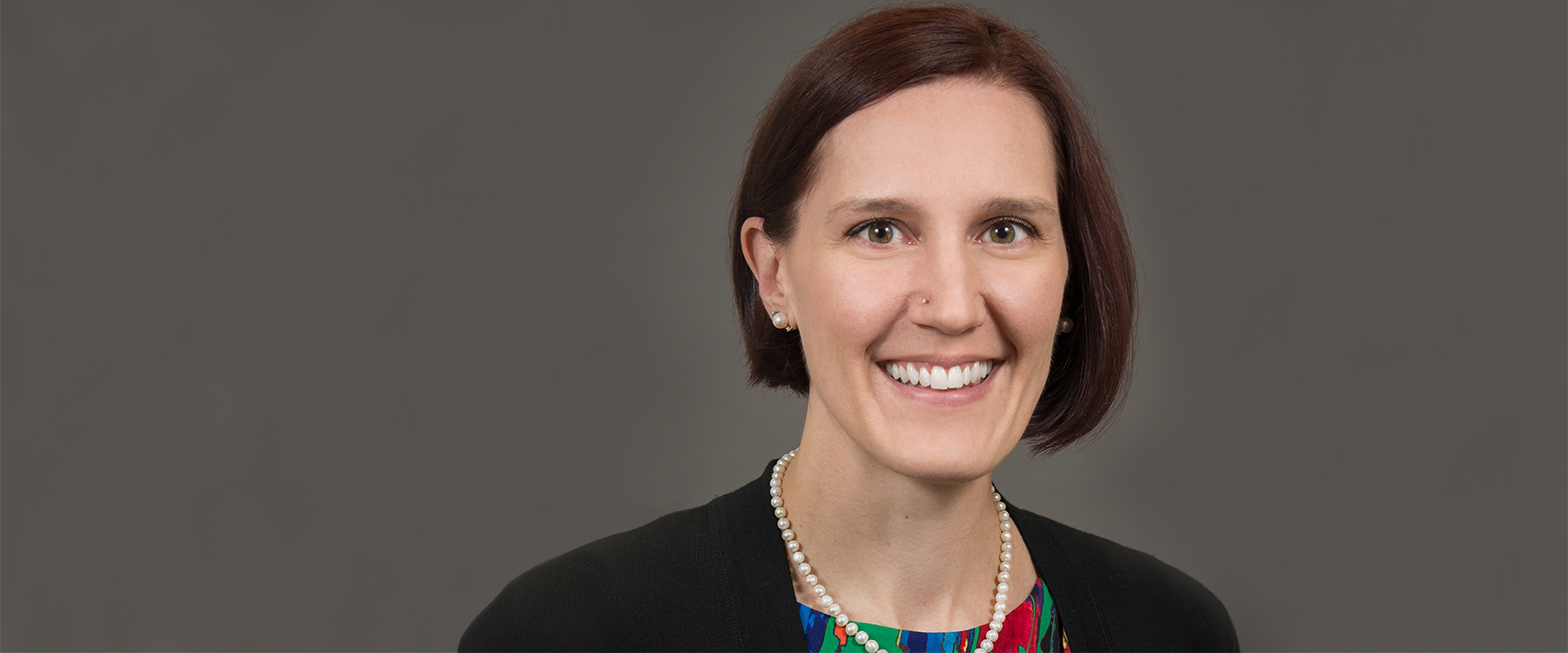
Mary Tanski, M.D., M.B.A. ’16, chair and professor of emergency medicine in the OHSU School of Medicine, is helping lead emergency medicine at OHSU into a new era.
“When you think about emergency medicine, it used to be a specialty like you see on TV where you’re taking care of only sick patients and doing all these cool procedures and everything is really fast moving,” Tanski said. “We still see sick patients and it’s fast moving, but there are a lot of other structural problems that exist. We’ve become sort of the safety net for the health system.”
“I love this department and how everybody is so collaborative. Academic centers can be very siloed. At OHSU, that isn’t really the case. We have amazing opportunities to work with every other service, and it’s just a really great environment to work in.”
Mary Tanski, M.D., M.B.A. ’16
The Department of Emergency Medicine at OHSU staffs about 170 clinicians across five emergency departments: OHSU’s main campus, OHSU Doernbecher Children’s Hospital, Hillsboro Medical Center, Adventist Health Portland and Columbia Memorial in Astoria, Oregon. Beyond caring for patients, the emergency department boasts robust educational programs for residents and fellows and houses researchers dedicated to addressing systemic issues facing emergency medicine.
“It’s a huge department,” Tanski said. “We touch each of OHSU’s missions of healing, teaching and discovery. My goal as chair is to bring those three missions together despite being geographically located across the state. I feel like I have the chance to impact so many more people than if I was only working clinical shifts, and that’s really been kind of my driving force for unifying these groups and making these programs more robust. It ultimately helps patients, and it helps the mission.”
Despite the high quality of OHSU’s emergency department clinicians, staff, residents and faculty, it is not immune to the issues plaguing emergency departments around the country. More patients with more complexity are visiting EDs now more than ever. Hospital beds are often at capacity, leading to emergency department boarding — when patients are forced to wait in the ED waiting room for a bed to become available.
“It definitely impacts their care,” Tanski said. “It’s uncomfortable. It’s not private. It’s not a great place for health and healing. But there’s literally nowhere else for them to go. A lot of brilliant people have been working hard to fix the problem.”
Tanski believes her team at OHSU is equipped to address the ED overcrowding issue, and it starts with the reason she came to OHSU to complete her M.B.A. After earning her M.D. from the Wayne State University School of Medicine and completing her residency at George Washington University, Tanski was drawn to OHSU’s M.B.A. program because of its comprehensive curriculum focused on understanding the complexities of the health care industry and how it all points back to enhancing patient care and experience.
When she finished the M.B.A. program in 2016, the collaborative nature of OHSU — paired with the unrivaled beauty of Oregon and the Pacific Northwest — compelled Tanski to stay.
“The M.B.A. program was such a cool opportunity to learn how things work and to learn how to be a leader,” Tanski said. “I love this department and how everybody is so collaborative. Academic centers can be very siloed. At OHSU, that isn’t really the case. We have amazing opportunities to work with every other service, and it’s just a really great environment to work in.”
For her efforts in pushing the OHSU ED forward and working to find answers to ED overcrowding, Tanski recently received the Esther Pohl Lovejoy Leadership Award, a distinction bestowed by the OHSU Alumni Association that honors alumni who’ve demonstrated exceptional leadership and service to the medical profession on a national or international level.
For Tanski, it’s just part of the job, and she considers it an honor and a privilege to be able to do it at OHSU.
“It’s super humbling because for me, I’m just doing my job,” she said. I just put my head down and try to do it the best I can to make sure people are supported.”
All Alumni
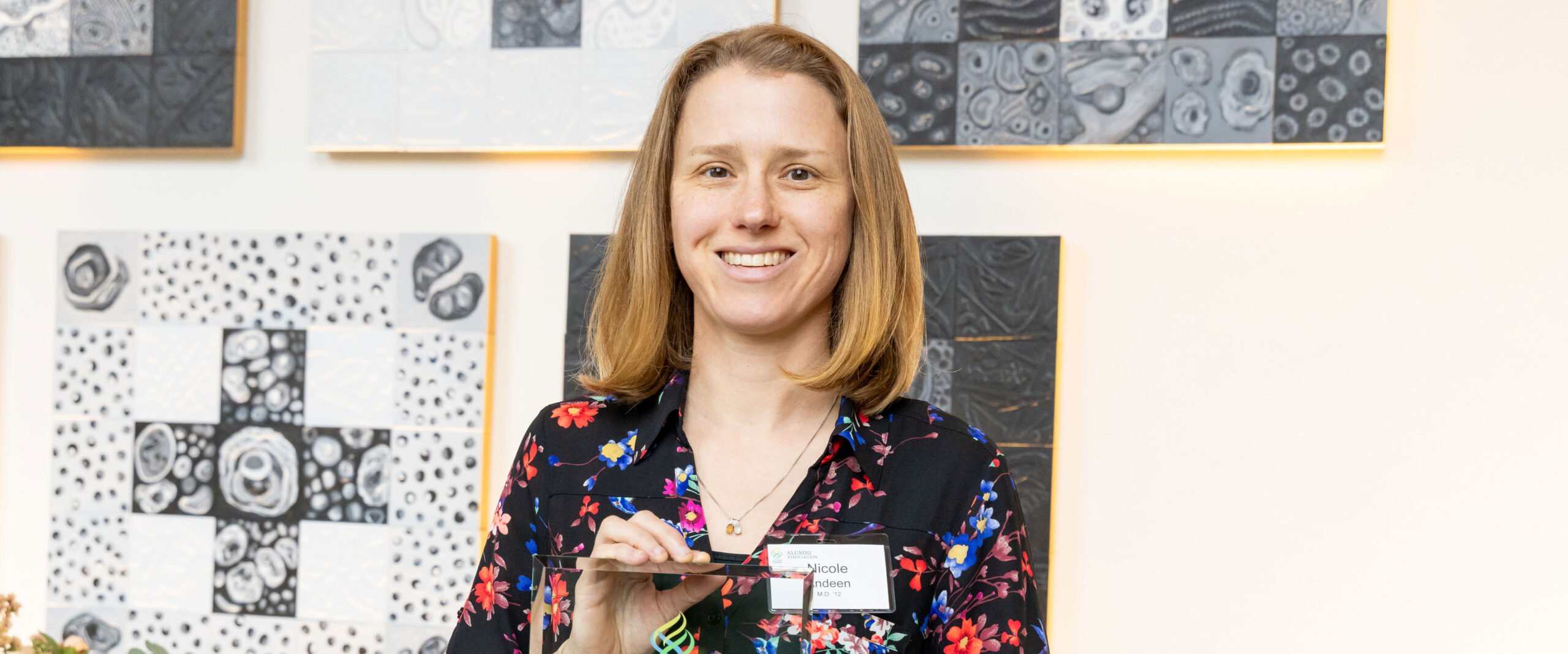
Medical alumna uncovering the mystery of disease
Pathologist Nicole Andeen, M.D. ’12, is proud to be an investigator of human health.
School of Medicine
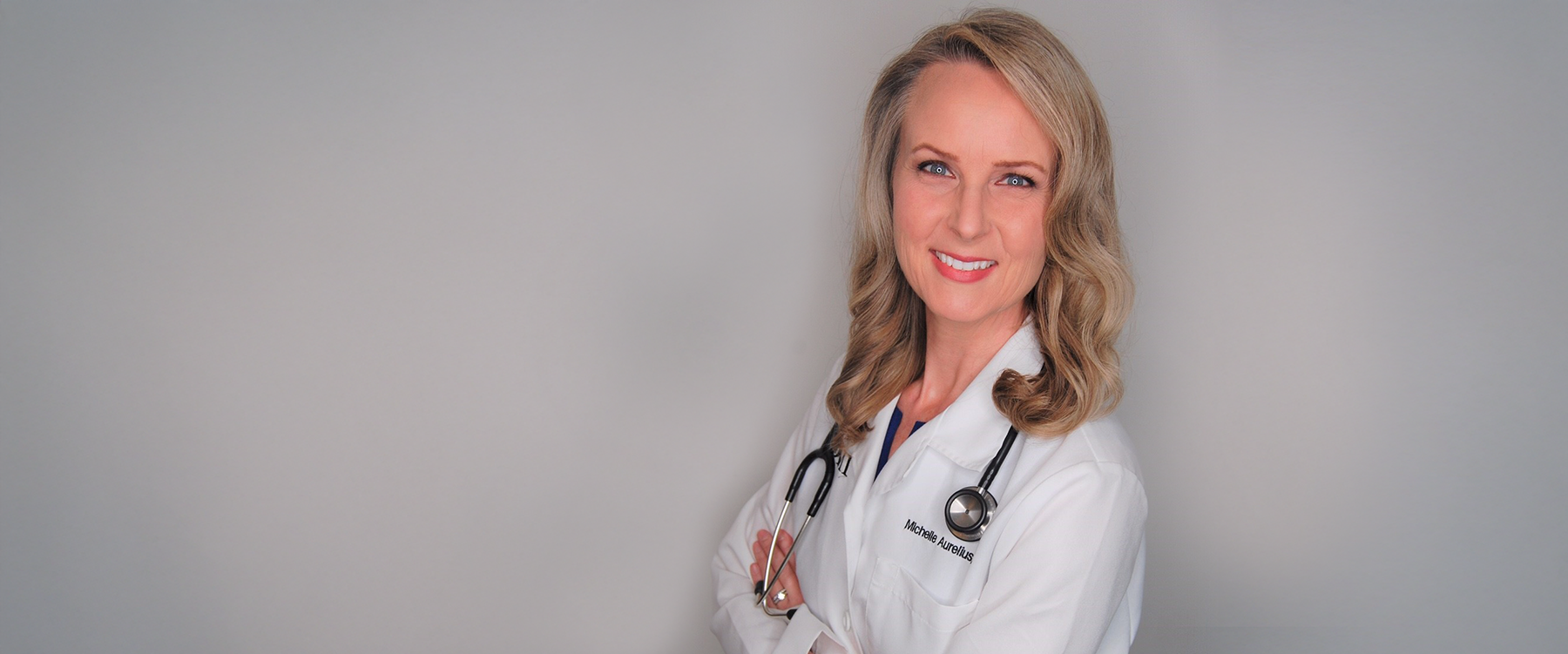
Alumna, forensic pathologist gives voice to those who have died
Michelle Aurelius, M.D., '99, chief medical examiner for North Carolina, began her forensic pathology journey at OHSU.

School of Medicine
PA alumna maintains her commitment to care for marginalized populations
Maggie Judd, M.P.A.S. '22, has always had a passion for service. Her mentors at OHSU helped shape how that passion translates to care.